
NVLF helps universities build a stronger community of supporters — alumni, donors and other allies — for military-connected students
LEADERSHIP FORUM
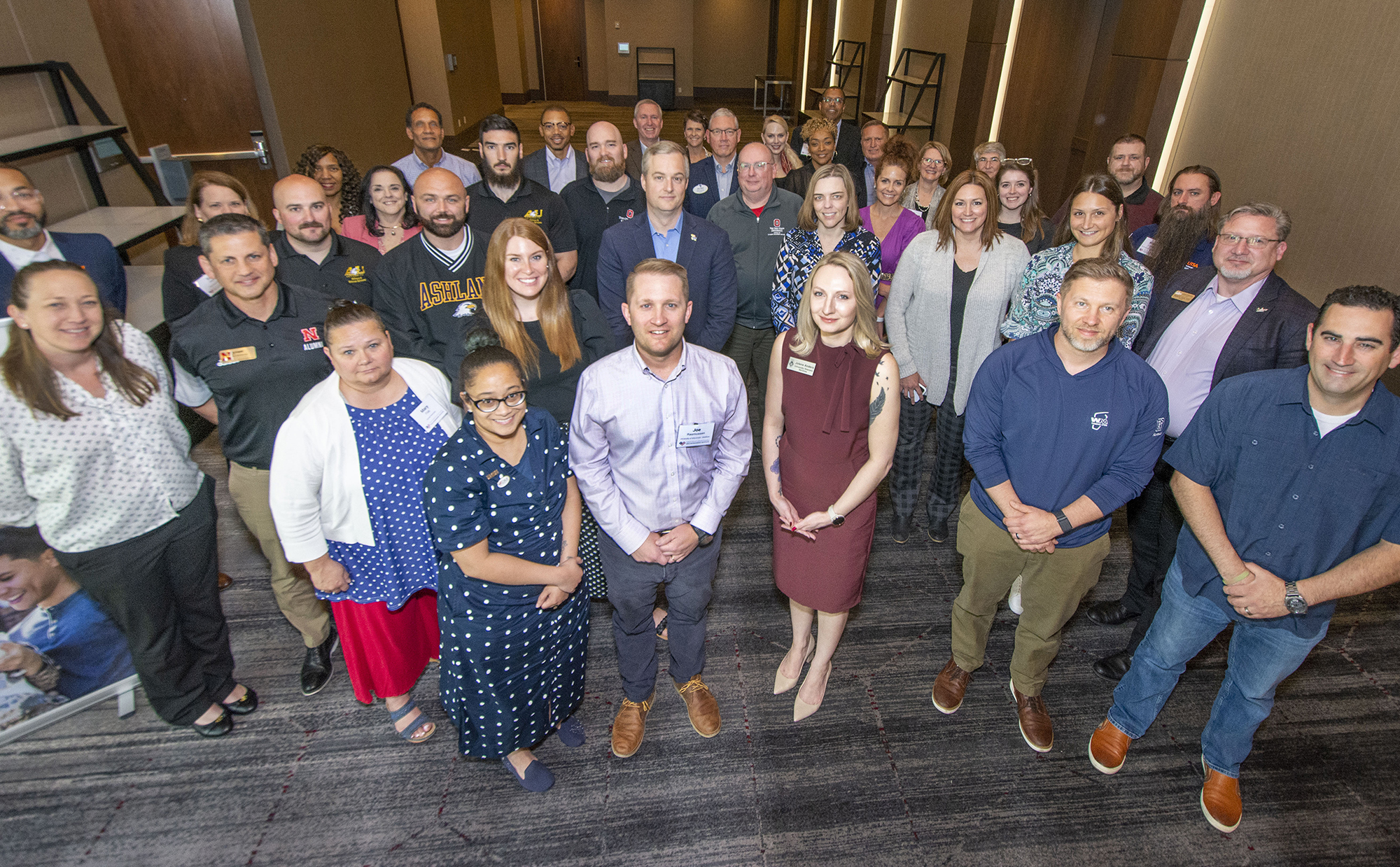
The NVLF Leadership Forum is the nation’s premier gathering for higher‑education leaders who support military‑connected students. Each year, NVLF brings together campus directors, student leaders, and national partners for a focused, collaborative experience designed to strengthen programs, share proven strategies, and spark new ideas.
Unlike traditional conferences, the Leadership Forum is built for real dialogue and real solutions. Participants connect with peers who understand the unique challenges of serving military‑connected students, exchange practical insights, and leave with actionable strategies they can implement immediately.
For many, the Forum feels like a professional retreat — a rare opportunity to step back, reflect, and re‑energize alongside like‑hearted colleagues who share a commitment to SERVICE » CAMPUS » CAREER.
NVLF ADVANCEMENT AWARDS
NVLF Advancement Awards provide seed funding to help military and veterans offices strengthen resources, expand programs, and build philanthropic support for military-connected students. Awards support events and activities that increase the visibility and engagement of military-connected students on campus while creating opportunities to connect campus communities with leaders and supporters from the military, government, business, and philanthropic sectors.
By helping campuses showcase the contributions and needs of their military-connected students, Advancement Awards create opportunities to build lasting partnerships and generate additional support for programs that serve those students.
Advancement Awards: Building Lasting Alumni Connections
At Baldwin Wallace University, an NVLF Advancement Award turned into a launchpad. What began as a single event—drawing 45 attendees, including 25 veteran alumni and five current students—became the foundation for something lasting. The gathering centered on storytelling: alumni sharing their military journeys alongside an interactive exhibit tracing the campus’s own military history, giving veterans a tangible sense of the legacy they belong to.
The impact showed up immediately in dollars and in structure. One new donor contributed $2,000 from his retirement savings, matched by another $1,000 from his retirement group—tangible proof that reconnecting alumni to campus pays dividends. But the more durable outcome was organizational: the event launched Baldwin Wallace’s new Veteran Alumni Engagement Organization, and many attendees didn’t just show up; they signed on, agreeing to serve on the steering committee and board that will carry the work forward.
As one campus leader put it, the Advancement Award “allowed us to connect with our alumni in a meaningful and powerful way, which made a huge impact on our campus.”
Advancement Awards: Scale, Visibility, and Community-Wide Reach
At Ashland University, the Advancement Award powered the campus’s largest-scale military recognition effort yet. It reached roughly 2,000 people through a mix of live events and digital outreach. Basketball games became a stage for honoring veterans during timeouts and halftime before more than 350 attendees, while more intimate baseball and softball events engaged another 150. Social media carried the momentum further, generating over 1,500 additional engagements and extending the campus’s message of appreciation well beyond anyone physically in the stands.
The greatest impact wasn’t the numbers, though it was what those numbers made possible: veterans feeling genuinely seen, and a broader community of students, alumni, faculty, and neighbors witnessing that recognition firsthand. Ashland leaders describe the events as bridge-building moments, ones that leave both military and non-military attendees with a shared sense of respect that doesn’t often happen in everyday campus life.
Ashland is candid that this scale isn’t something the university could fund on its own. The Advancement Award covers the patriotic details—flags, pinwheels, branded shirts—that turn a standard recognition into something memorable. Financially, the payoff is already showing: new connections with donor-inclined families, alumni, and community members have opened a growing philanthropic pipeline, one Ashland plans to keep cultivating through newsletters, athletics-program outreach, and one-on-one donor conversations. The momentum continues this fall with a branded pin initiative at the campus’s annual golf outing, projected to add more than 100 more engagements.
Advancement Awards: Experimenting to Find What Resonates
At Wright State University, the Advancement Award funded a season of experimentation rather than a single flagship event. Building on ideas from RJ Jenkins, Director of Education at Columbia University Center for Veteran Transition and Integration who spoke at the NVLF Leadership Summit, the campus piloted two gatherings, “Invite a Faculty Member to Lunch” in the fall and “From Service to Success” in the spring, each drawing about 22 attendees and student-led by an Army ROTC reservist and a retired Air Force Master Sergeant.
The greatest impact came from a small but powerful ritual: students who invited a faculty member had the chance to speak about why that mentor mattered. Only a handful of students did so each semester, but the moments had impact; faculty members were visibly moved by the recognition, and the spring event added another meaningful touch, presenting cords to graduating student veterans. As one organizer put it, the award’s real value lies in giving campuses “the resources to experiment, discover, pivot, and adjust fire to meet the nascent and continuing needs of student veterans.”